
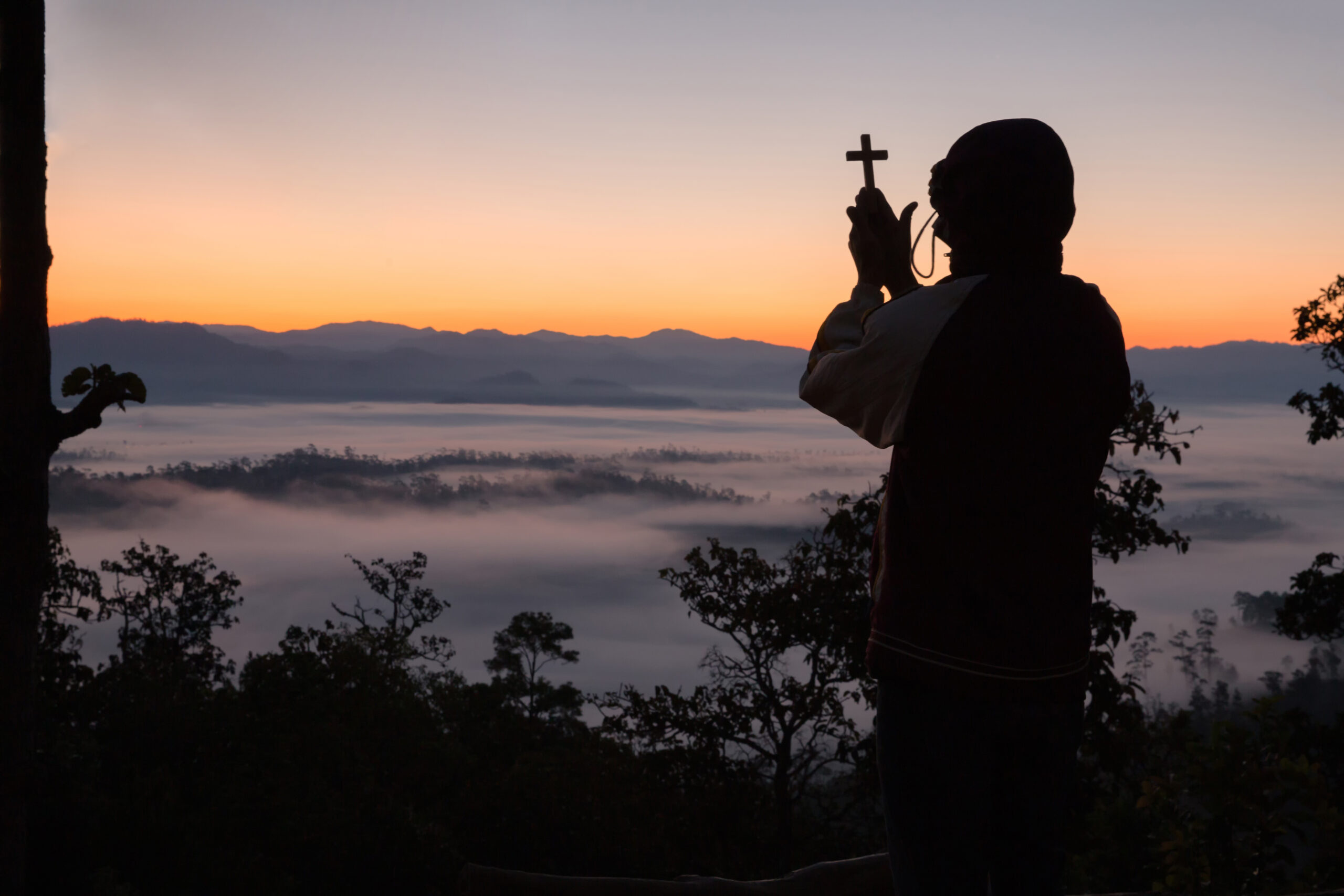
Pilgrimages have been part of human history since ancient times, but within Christian life they hold a special place as a deep expression of faith, sacrifice, and spiritual seeking. For millions of believers, walking toward a holy site is not just a physical journey. It is a transformative experience that strengthens Catholic faith and renews a sense of purpose in life.
What is a pilgrimage in the Catholic faith?
In the Christian context, a pilgrimage is a journey made with a spiritual purpose to a sacred place. This can include Marian shrines, basilicas, the tombs of saints, or sites connected to key moments in Christian history. More than the destination itself, what truly matters is the journey and the intention behind it.
From the Bible onward, God’s people are shown as people on the move. Abraham left his homeland trusting in God’s promise, and the people of Israel walked toward the Promised Land. In the same way, Christians understand their lives as a pilgrimage toward God.
The spiritual meaning of pilgrimages
The spiritual meaning of pilgrimages comes from their ability to reflect the believer’s inner journey. Each step can represent letting go, a prayer, or a personal request. Physical exhaustion becomes an offering, and the challenges along the way mirror the struggles of everyday life.
For many people, making a pilgrimage is a concrete act of repentance and gratitude. Some walk to ask for healing, others to give thanks for blessings received, and many to seek clarity during moments of personal or spiritual difficulty.
Pilgrimages and inner conversion
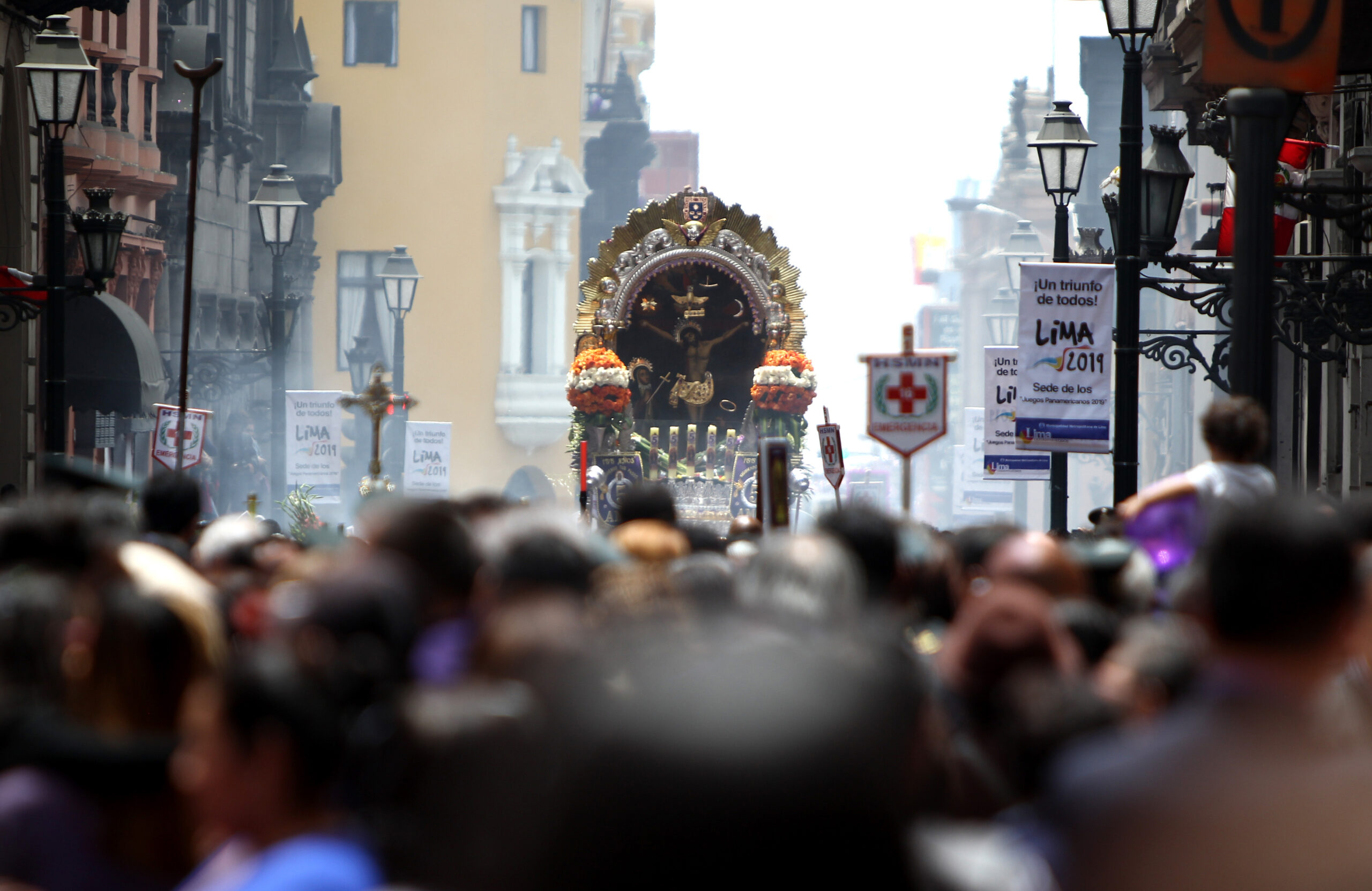
One of the most meaningful fruits of pilgrimages in Christian life is conversion of the heart. Stepping away from daily routines allows pilgrims to enter a space of silence, reflection, and prayer. This time encourages people to look honestly at their lives, recognize mistakes, and renew their commitment to the Gospel.
Meeting fellow pilgrims also strengthens a sense of community. People of different ages and backgrounds share the same road and the same faith, reminding everyone that the Church is a people walking together.

Main Christian pilgrimage destinations
Within the Catholic faith, there are many destinations that attract millions of pilgrims each year. Some of the most well known include:
The Basilica of Our Lady of Guadalupe in Mexico, a powerful symbol of identity and Marian devotion.
Santiago de Compostela in Spain, home to one of the oldest pilgrimage routes in Christianity.
Rome, the heart of the Catholic Church and the seat of the Pope.
The Holy Land, where Jesus lived, preached, and gave his life.
Each of these places offers a unique spiritual experience, but all share the same goal: helping believers grow closer to God.
Pilgrimage as a metaphor for Christian life
The Church teaches that all of Christian life is a pilgrimage. Believers are not called to stay still, but to keep moving forward in faith, hope, and love. In this way, going on a pilgrimage helps people understand that life is not a final destination, but a journey toward eternal life.
The effort, patience, and trust lived out during a pilgrimage often carry over into everyday life, helping Christians face challenges with a more spiritual outlook.

Spiritual and personal benefits
Beyond its religious value, pilgrimage also brings emotional and personal benefits. Many pilgrims experience inner peace, mental clarity, and a deep sense of reconciliation with themselves and with God. Stepping away from constant digital noise and reconnecting with nature also supports reflection and self awareness.
Conclusion
Pilgrimages remain a living and meaningful practice within the Catholic faith. Their spiritual meaning goes far beyond the physical journey. They reflect the deep human desire to encounter God and find purpose in life. For those who love religious pilgrimages, every path walked is a chance for spiritual growth and a reminder that Christian life is, at its core, a constant journey guided by faith.


